

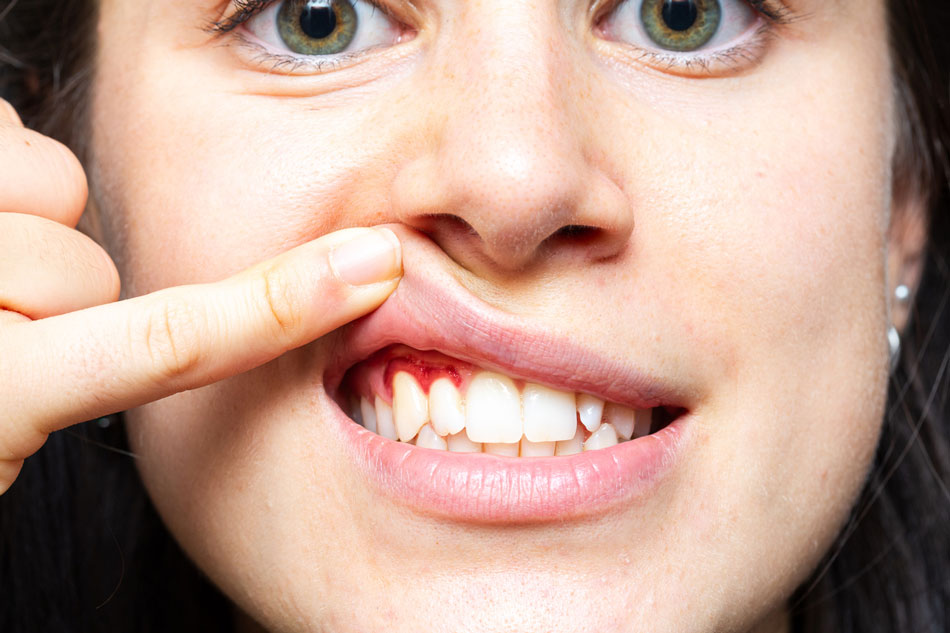
Bleeding gums are a common problem and you are wondering ‘why are my gums bleeding?’, yet they’re often ignored until they become something more serious.
If you’ve noticed a bit of pink in the sink after brushing, or your gums feel sore and bleed during flossing, you’re certainly not alone. But while it might seem like a minor issue, bleeding gums can actually be a sign that your mouth needs attention – and potentially from a dental professional.
Understanding what causes bleeding gums, when it becomes a cause for concern, and what can be done to treat and prevent it will help you take better care of your oral health and avoid long-term complications.
What Causes Bleeding Gums?
Your gums shouldn’t bleed routinely – and if they do, there’s usually a reason behind it.
The most common cause is a build-up of plaque at the gum line. Plaque is a sticky film of bacteria that forms on your teeth throughout the day. If it’s not properly removed by brushing and flossing, it can harden into tartar, which is much more difficult to remove without professional cleaning.
Plaque and tartar irritate the delicate gum tissue, leading to inflammation, tenderness, and – yes – bleeding. This early stage of gum disease is known as gingivitis, and it’s both common and reversible if caught early.
Poor oral hygiene is often a key factor. Not brushing twice a day, skipping flossing, or using incorrect brushing techniques can all contribute to unhealthy gums. Add in irregular visits to the dentist, and plaque is free to thrive.
But it’s not just about brushing. Several lifestyle and health factors can also increase your risk:
- Smoking and tobacco use: These reduce blood flow to the gums and weaken the immune response, making it easier for infections to take hold.
- Hormonal changes: Pregnancy, menstruation, menopause, and even puberty can make gums more sensitive and prone to bleeding.
- Certain medications: Blood thinners, some anti-seizure drugs, and even over-the-counter painkillers may affect gum health.
- Nutritional deficiencies: A lack of vitamin C or vitamin K can lead to gum problems, including bleeding.
When Bleeding Gums Might Mean Something More Serious
An occasional bit of bleeding while brushing isn’t usually a major cause for concern – especially if you’ve just started flossing again after a long break. But if it happens frequently or becomes more severe, it could be a sign of something more advanced.
Bleeding gums are one of the early warning signs of periodontal disease – a more serious form of gum disease that can damage the soft tissue and bone supporting your teeth. Left untreated, it can eventually lead to tooth loss and even affect your general health.
Here are some red flags that suggest it’s time to see a dentist:
- Bleeding that lasts longer than a week
- Swollen, red, or tender gums
- Receding gums (your teeth may look longer than before)
- Pain or discomfort when chewing
- Loose teeth or changes in your bite
- Persistent bad breath that doesn’t go away with brushing
Periodontal disease has also been linked to other health conditions such as diabetes, heart disease, and stroke – so it really is worth taking seriously.
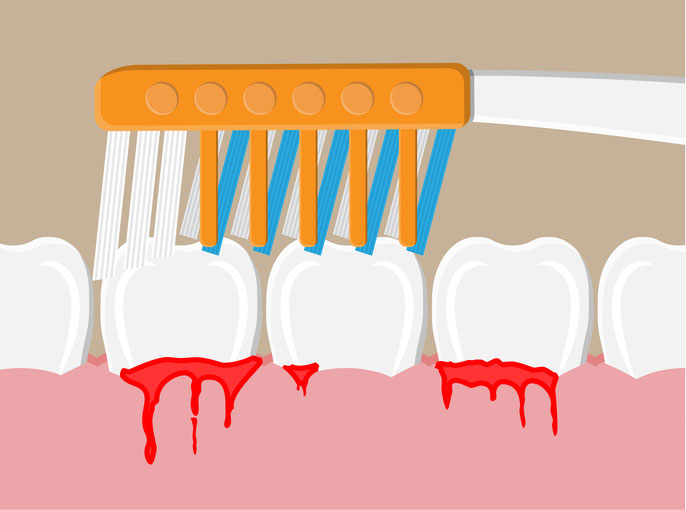
What Treatments Are Available for Bleeding Gums?
The good news is that modern dental care offers a wide range of effective treatments – especially if problems are caught early.
For most people, a professional dental clean is the first step. This involves removing plaque and tartar from above and below the gumline using specialist tools. Your dentist or hygienist may also polish your teeth to smooth their surfaces and make it harder for plaque to build up again.
If gingivitis has progressed to early or moderate periodontitis, your dentist may recommend scaling and root planing. This is a deeper clean that removes bacteria from deep gum pockets and smooths the root surfaces to help your gums reattach to your teeth. It’s usually done under local anaesthetic and may require multiple visits.
In more advanced cases, further treatment may be needed. This can include antibiotics, special mouth rinses, or even minor surgery to clean deeper areas around the roots of teeth.
Finding the Right Dental Professional
If your gums are bleeding frequently, don’t delay booking an appointment. A general dentist can diagnose the issue and recommend a course of treatment. If the problem is more severe, you may be referred to a periodontist – a specialist in gum health.
When choosing a dental professional, look for someone who takes the time to understand your individual needs and offers a personalised treatment plan. Reviews and patient testimonials can also be helpful, as can choosing a practice that makes you feel comfortable and informed.
Don’t Ignore Bleeding Gums
Bleeding gums might seem minor, but they’re often your body’s way of signalling that something’s wrong. With good daily oral care, lifestyle changes, and timely professional treatment, most gum issues can be managed or completely reversed.
Acting early can save your gums, protect your teeth, and even support your overall health.
Frequently Asked Questions
Why do my gums bleed when I brush my teeth?
This is often due to inflammation caused by plaque build-up along the gumline. If you’ve recently started flossing or brushing more thoroughly, a bit of bleeding might occur initially – but it should improve within a few days. Persistent bleeding, however, could indicate gingivitis or another underlying issue.
Can stress cause bleeding gums?
Yes, stress can impact your immune system, making it harder for your body to fight off the bacteria that cause gum disease. It may also lead to teeth grinding (bruxism), which puts extra pressure on gums and teeth.
Are bleeding gums reversible?
In the early stages, absolutely. With proper brushing, flossing, and regular dental cleanings, gingivitis can be reversed. However, once gum disease progresses into periodontitis, it can only be managed – not cured – so early treatment is key.
Do I need to floss if my gums bleed when I do it?
Yes, and in fact, regular flossing is one of the best ways to stop the bleeding over time. Gums that aren’t used to flossing may bleed at first, but this should improve as the gums become healthier.
What’s the best toothbrush for bleeding gums?
A soft-bristled toothbrush is generally recommended. Brushing too hard or using a hard-bristled brush can damage your gums and make bleeding worse. Electric toothbrushes with pressure sensors can also help ensure you’re not overdoing it.
Can mouthwash help bleeding gums?
Some mouthwashes – particularly those with antibacterial properties – can help reduce plaque and inflammation. However, they’re not a substitute for proper brushing, flossing, and professional dental care.
If you would like to learn more about bleeding gums or visit Honeyfields Cosmetic Dentists in North Wales then please do get in touch.
